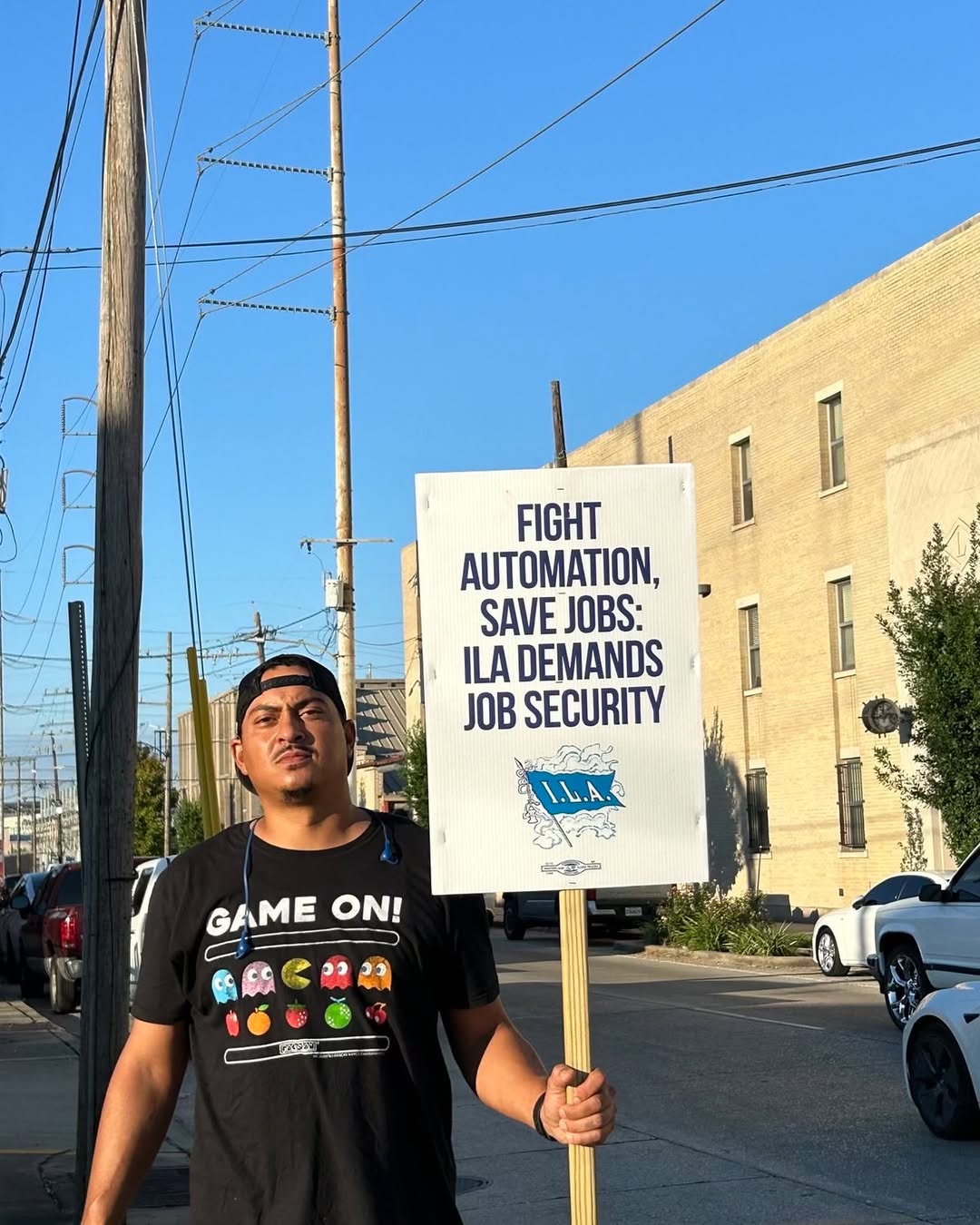
Arlington, TX – Plans are moving forward for UPS to automate much of the work at its Lonestar Hub. UPS has framed the automation push as “Modernization” and has favored a “Better, Not Bigger” policy which means reducing overall volume while increasing profits for the company. UPS is anticipating a 6% gain in revenue per package as a result of recent changes; however, they also expect to see a decline of 8.5% in average daily volume. They expect to achieve this by focusing less on volume and more on transporting goods that bring a higher profit per package delivered.
On October 15, a White House memo boasted a $13 billion investment in five Midwestern plants by automaker Stellantis. It also announced projects by Whirlpool, General Electric and others. Thanks to tariffs, Trump tells us, the prodigal sons of industry have returned.
But how does the scoreboard really add up for reindustrialization?
Not quite as advertised. These aren’t new factories; they’re old ones being retooled. Tariffs shoot manufacturers in the foot, since they drive up prices for supplies. Investing in new technologies takes skilled workers. This is a hard sell when ICE just deported over 300 Korean technicians from a Georgia car factory. Auto corporations, hearts full of liberal compassion, fear that “first they came for Hyundai.”
Chicago, IL – On Thursday January 30, UPS announced a major cutback in Amazon package deliveries, with the goal of dropping over 50% of the volume from the company’s largest customer by June 2026. In conjunction, UPS is looking to permanently shutter 10% of buildings, shrink their fleet of vehicles and lay off workers.
The plan to close more buildings comes on the heels of the hard fought 2023 Teamsters contract, which resulted in major wage gains for part-timers and the end of the 2-tier system among package car drivers. The credible threat of a strike forced UPS to concede to the union’s demands in contract negotiations and look elsewhere for cost savings. Last year UPS laid off 12,000 corporate employees and announced major investments in the automation of hub operations as part of their “Network of the Future” initiative.