
Salt Lake City panel slams the war on Venezuela and immigrants
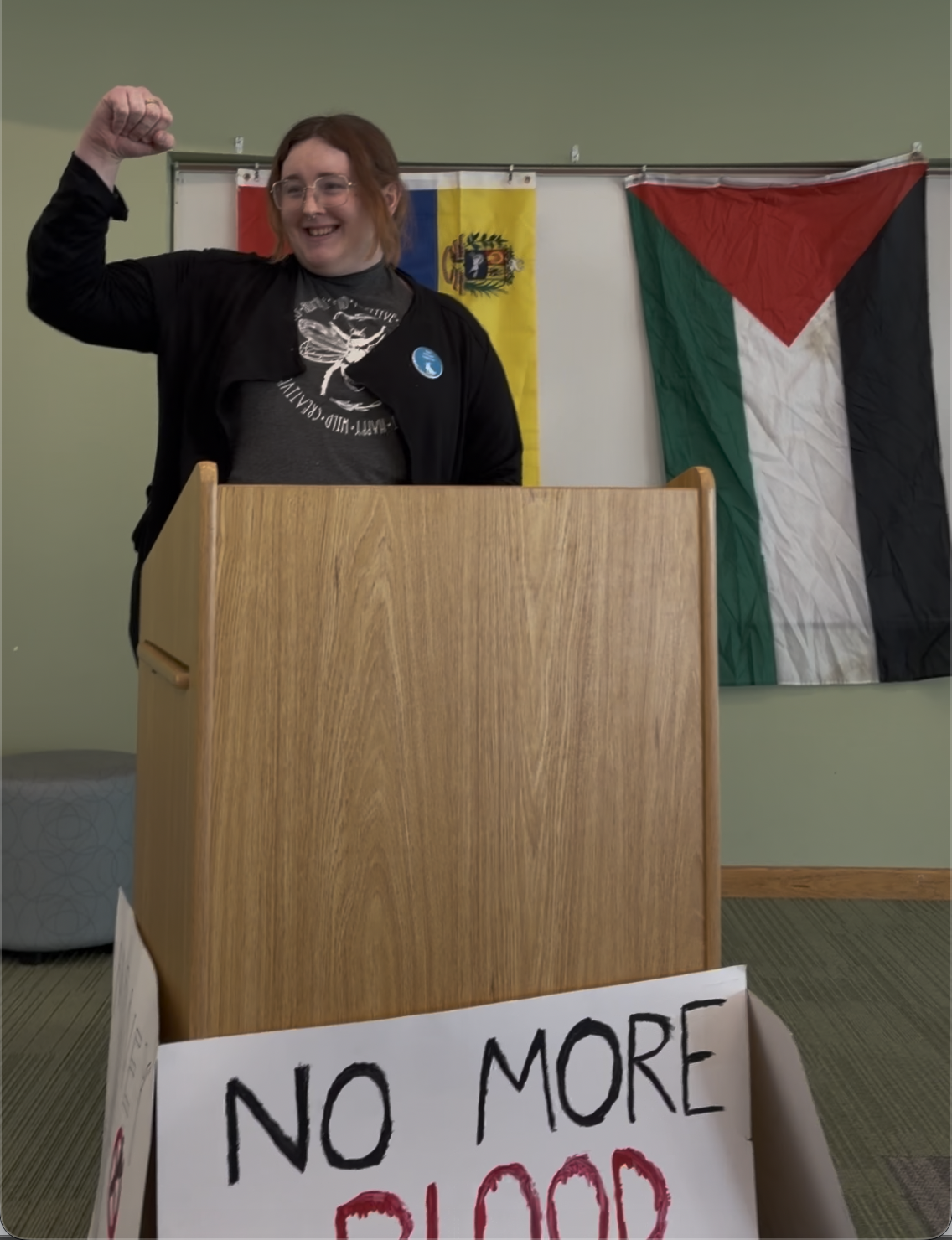
Salt Lake City, UT — On Valentine's Day, February 14, about a dozen people gathered at the Riverside Library on the west side of Salt Lake for an educational panel hosted by the Utah Anti-War Committee. The event focused on the anti-war movement and the struggle for immigrant rights.
The discussion centered U.S. intervention abroad and immigration. Speakers criticized the Utah organization 47G, a public-private defense industry consortium, concluding that investment in war profiteering binds communities materially and politically to imperial violence overseas.
Adam Karotz, a longtime local activist and member of the Utah Anti-War Committee, traced the roots of the modern anti-war movement through opposition to the Vietnam War and the U.S. invasion of Iraq.
“The bulk of U.S. troops stayed in Iraq until 2011. Millions of Iraqis have died as a direct result of the U.S. invasion and occupation. Generations will continue to suffer the health effects of depleted Uranium use, just as generations of Vietnamese people have suffered from the use of napalm,” said Karotz.
The panel connected environmental hazards, economic despair, opioid crisis, rising homelessness, labor trafficking and militarized policing in the U.S. to the same powerful groups that drive foreign intervention. Participants characterized the criminalization of addiction and poverty as a continuation of domestic war by other means.
Collin Grannis of the Freedom Road Socialist Organization condemned the kidnapping of Venezuela’s President, Nicolás Maduro and First Lady Cilia Flores, stating, “The United States does not have the right to pluck sovereign leaders out of their countries, even if they disagree with their policies.” Grannis called out the U.S. attack as a blatant violation of international law and national sovereignty, characteristic of the longstanding history of U.S. intervention in Latin America.
Adrian Romero, a local community organizer and Utah Anti War Committee member, shifted the focus to immigrant rights, stating, “Today, immigration and border policies have become super-militarized and increasingly, dangerously, hostile towards anyone that stands in their way.”
Speakers drew parallels between immigrant detention, the incarceration of homeless and mentally ill people, and labor trafficking and social control under the Trump regime. They urged attendees to see anti-war work not as a single-issue cause, but as part of a broader movement against imperialism, racism and state violence.
Earlier this year, The Utah Anti-War Committee organized a letter-writing campaign in support of President Maduro.
The Utah Anti-War Committee organized the event and will continue to fight against imperialism and war in Salt Lake valley. They invite community members to join their meetings and organizing efforts.