
New Orleans: City Council puts 1-year ban on data center construction in New Orleans East
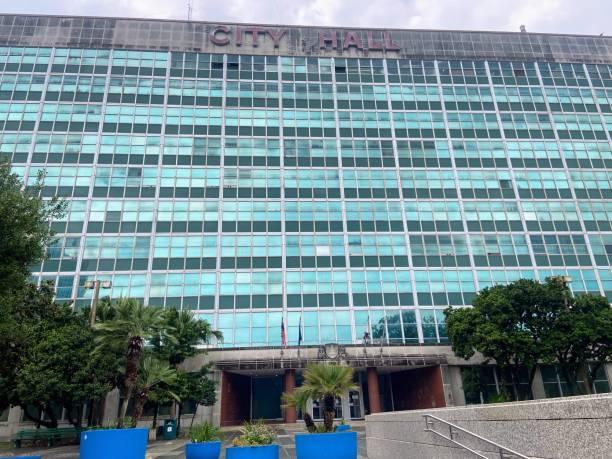
New Orleans, LA – On Wednesday, January 28, dozens of community members showed up to city council to give public comment on an ordinance around data centers. Councilman Jason Hughes, who presides over New Orleans East, presented the ordinance.
MS Solar Grid Data company proposed building a center in New Orleans East, a historically Black underdeveloped and impoverished area of the city. The proposal received an injunction – an ordered halt – on the grounds that “data center” as a type of building is not currently defined in the city ordinance language. Therefore, they are not currently legally allowed to be created in the city. In response, contractors attempted to build data centers under the guise that they are simply office buildings with computers.
The city council resolved to put a moratorium on data centers for one year through establishing a Data Center Interim Zoning District (IZD) until they properly define what a data center is. This created an appeals process where contractors could appeal to the motion over the next year. However, the IZD measure would ensure that those appeals would be brought to the public to be deliberated on.
City council members stated they are staunchly opposed to data centers and intend on banning them entirely once the language is broadly encompassing, citing massive environmental costs, particularly, water and energy usage. New Orleans is facing saltwater intrusion from the Gulf of Mexico into the Mississippi River, and the electrical grid is famously under-maintained by Entergy, a monopoly that owns the entirety of New Orleans' electrical resources. These issues would be catastrophically intensified if a data center were built and operated in or near the city.
Six of the seven members of the city council were present at the meeting. The vote on a one-year ban passed five in favor (Matthew Willard, Lesli Harris, Freddie King III, Eugene Green Jason Hughes), one abstention (JP Morell), and one absent (Aimee McCarron).
Edith Romero, a member of Eyes on Surveillance, a nonprofit that fights against racist surveillance technologies, echoed the desires of the public commenters who called for a stronger long-term solution through rigid bans. Romero mentioned that in 2020 the council blocked facial recognition technologies for law enforcement only to roll back that stance in 2022, justifying the mistrust the community has over the council's promises.